

February 10, 2026. Riot Games has announced a major change involving its highly anticipated fighting game 2XKO, less than a month after the title officially launched on consoles. The decision, shared on February 9 through an official update, shows a shift in development resources based on actual player engagement data and long-term sustainability goals. Dexerto
A Bold Entry Into the Fighting Game Space
2XKO represents Riot’s most ambitious entry into the competitive fighting game genre so far. It was originally called Project L during development. The game was first hinted at almost ten years ago, after Riot acquired Radiant Entertainment, a studio founded by well-known fighting game designers. Wikipedia
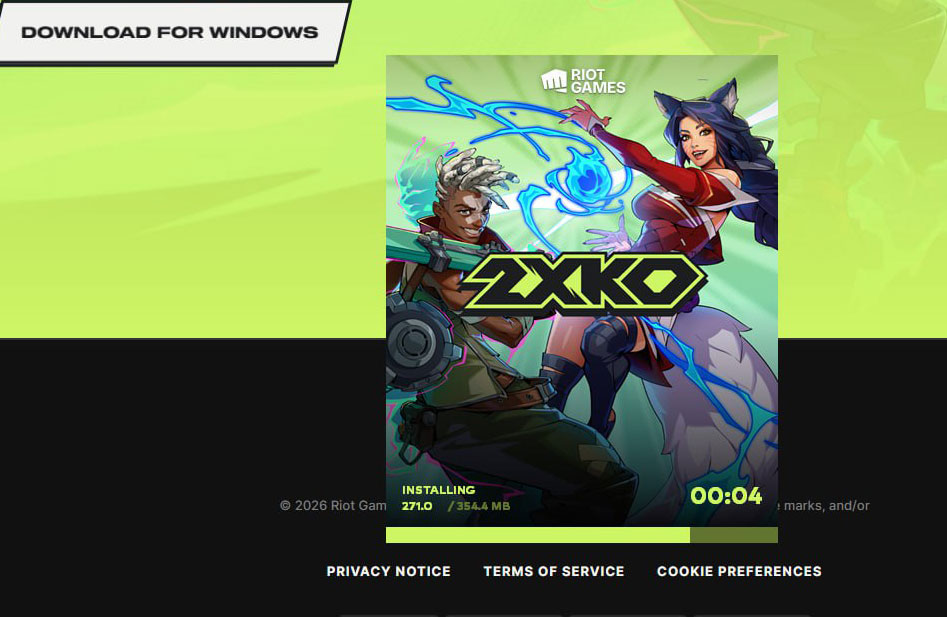
Designed as a free-to-play, 2v2 tag-team fighter set in the League of Legends universe, 2XKO combines strategic character switching with engaging, easy-to-pick-up combat. It officially began early access on PC in October 2025, with beta and seasonal updates creating excitement. The game then launched on PlayStation 5 and Xbox Series X|S on January 20, 2026, marking its first true cross-platform release.
Riot wanted 2XKO to attract both experienced fighting game players and newcomers. They aimed to create a competitive space alongside established fighters. While initial reviews highlighted generally positive opinions about its mechanics and visual style, broader patterns of player engagement have now become crucial for strategic planning.
Official Update: What Riot Has Shared
In “An Update on 2XKO,” published on Riot Games’ official website on February 9, Executive Producer Tom Cannon explained the restructuring of the development team. The post noted that Riot had engaged in many discussions and reflections before deciding to reduce the size of the 2XKO team. Cannon stressed that this decision did not reflect the contributions of individual team members; instead, it was a strategic response to changing engagement metrics across platforms. Riot Games
Cannon explained that while the game has resonated with a passionate core audience, the overall player momentum has not reached the level needed to support the team’s original size in the long run.
The post highlighted that development would continue, but with a smaller, focused team dedicated to prioritized improvements, including features that the community has already requested. Importantly, Riot reaffirmed that its plans for the 2026 Competitive Series, which include partner tournaments and local community engagement, remain unchanged.
Regarding layoffs and internal support, Riot also shared its commitment to affected employees. The company pledged to help with placement within other Riot projects when possible, and if that isn’t feasible, to provide at least six months of notice pay and severance. Cannon emphasized the importance of recognizing the effort and creativity invested in the game over the years.
Industry Reports and Layoff Scope
While Riot’s official statement focused on the reasons behind the layoffs and future direction, media outlets reported that around 80 development staff were laid off, which is roughly half of 2XKO’s global development team. Several industry sources verified this figure, and it was corroborated by reports from outlets like GameSpot, Engadget, and others.
The cuts came quickly, about 20 days after the game’s full release on consoles and just weeks into its competitive season rollout. Estimates vary slightly, but multiple reports consistently indicate that around 80 roles were impacted, marking a significant reduction from the team’s original size.
Community Reaction: Support and Concerns
News of the restructuring sparked a strong reaction across the fighting game community and social media. Some former staff shared personal accounts of their departure, describing abrupt notice periods and the emotional toll of working on the game for years before being laid off. Others in the scene, including well-known competitive players, expressed support for the affected developers while raising concerns about the game’s future.
Mortal Kombat creator Ed Boon even commented on social media, encouraging the community to support former 2XKO team members. Remarks from prominent figures in the fighting game community highlighted the game’s potential and the disappointment many feel regarding its current performance.
The community response also sparked broader discussions about the factors contributing to the title’s slower growth, ranging from marketing visibility issues to the complexities of a 2v2 tag format in a niche genre. While players generally appreciate the strengths of the game’s design and Riot’s vision, many have pointed out that gaining traction beyond the core audience has been a challenge.
What This Means for Riot and 2XKO’s Future
The restructuring indicates that Riot is adopting a measured, data-informed approach to sustaining 2XKO instead of severing ties completely. Riot’s messaging makes it clear that the goal is to shift to a more sustainable development model based on current engagement levels. This includes:
- Focusing development on important improvements highlighted by community feedback.
- Maintaining competitive support and event partnerships throughout 2026, showing confidence in the title’s potential as a competitive esport.
- Continuing communication with players regarding future content and the evolution of the game’s roadmap.
Industry analysts see this approach reflecting broader corporate trends. Live-service titles increasingly face performance metrics that can lead to rapid resource reallocation if player numbers fall short of expectations, even among major publishers. Therefore, Riot’s decision may reflect industry pressures rather than just signs of failure.
Looking Ahead
For players, competitive communities, and industry observers, the smaller development team represents a turning point in 2XKO’s lifecycle. The title has already received praise for its innovative tag mechanics, strategic depth, and vibrant execution of beloved League characters—factors that contributed to its initial anticipation and early competitive interest.
However, turning that early excitement into lasting, widespread engagement remains a key challenge. As Riot positions its smaller team to refine and expand the game’s offerings, the speed at which 2XKO can respond to player feedback and grow its audience will likely determine its long-term relevance. If Riot’s strategy works, 2XKO may find its place as both a competitive staple and a vibrant community hub.
Ultimately, this restructuring highlights a fundamental tension in modern game development: finding a balance between visionary design and the realities of audience growth. Riot Games has committed to navigating this tension openly, focusing on sustainable development while honoring the efforts of the creators who brought 2XKO to life.