


Artificial Intelligence (AI) is one of the most powerful and rapidly growing technologies affecting the modern world. From smartphones and social media to healthcare, education, transportation, and business, AI is changing how people live, work, and communicate.
What used to be science fiction is now part of our daily lives. Smart machines can learn, analyze data, make decisions, and even interact with humans in natural ways.
This article explores what Artificial Intelligence is, how it works, where it is used, its benefits and drawbacks, and how it is transforming the world today and in the future.
🤖 What Is Artificial Intelligence?

Artificial Intelligence (AI) refers to the ability of machines or computer systems to do tasks that usually require human intelligence. These tasks include learning, reasoning, solving problems, understanding language, recognizing images, and making decisions.
In simple terms, AI enables machines to think and act intelligently. Instead of following only fixed instructions, AI systems can learn from data, improve over time, and respond to new situations.
🔍 Common Examples of AI
- Voice assistants like Siri and Google Assistant
- Recommendation systems on YouTube and Netflix
- Face recognition on smartphones
- Chatbots on websites
- Self-driving car technologies
⚙️ How Artificial Intelligence Works

AI systems operate by using data, algorithms, and computing power. The more data an AI system has, the better it can learn and make accurate decisions.
🧩 Key Components of AI
- Data: Information collected from text, images, videos, numbers, and user behavior
- Algorithms: Step-by-step instructions that guide machines on how to learn from data
- Machine Learning: A method where machines learn from experience without being explicitly programmed
- Neural Networks: Systems inspired by the human brain that help machines recognize patterns
AI systems are trained using large amounts of data. Over time, they improve their accuracy and performance through practice and feedback.
🧠 Types of Artificial Intelligence
1️⃣ Narrow AI
This type of AI is designed to perform a specific task. Most AI systems today fall into this category.
Examples:
- Email spam filters
- Virtual assistants
- Recommendation engines
2️⃣ General AI
General AI refers to machines that can perform any intellectual task a human can do. This type of AI does not exist yet but is a major area of research.
3️⃣ Super AI
This theoretical form of AI would surpass human intelligence in all areas. It remains a future concept and raises ethical concerns.
🌍 Uses of Artificial Intelligence in the Modern World
🏥 AI in Healthcare

AI is improving healthcare by helping doctors diagnose diseases, analyze medical images, and predict health risks. AI tools can detect illnesses earlier and assist in creating personalized treatment plans.
Examples:
- AI-assisted X-ray and MRI analysis
- Virtual health assistants
- Drug discovery and research
🎓 AI in Education

In education, AI helps personalize learning experiences. Students can learn at their own pace while teachers receive support in grading and planning lessons.
Examples:
- Online learning platforms
- Automated assessments
- Intelligent tutoring systems
🚗 AI in Transportation

AI is changing transportation through smart traffic systems and self-driving vehicle technology.
Examples:
- Navigation apps with real-time traffic updates
- Driver assistance systems
- Autonomous vehicle research
💼 AI in Business and Banking

Businesses use AI to improve customer service, detect fraud, analyze market trends, and automate repetitive tasks.
Examples:
- Chatbots for customer support
- Fraud detection systems
- Personalized marketing
📱 AI in Communication and Media
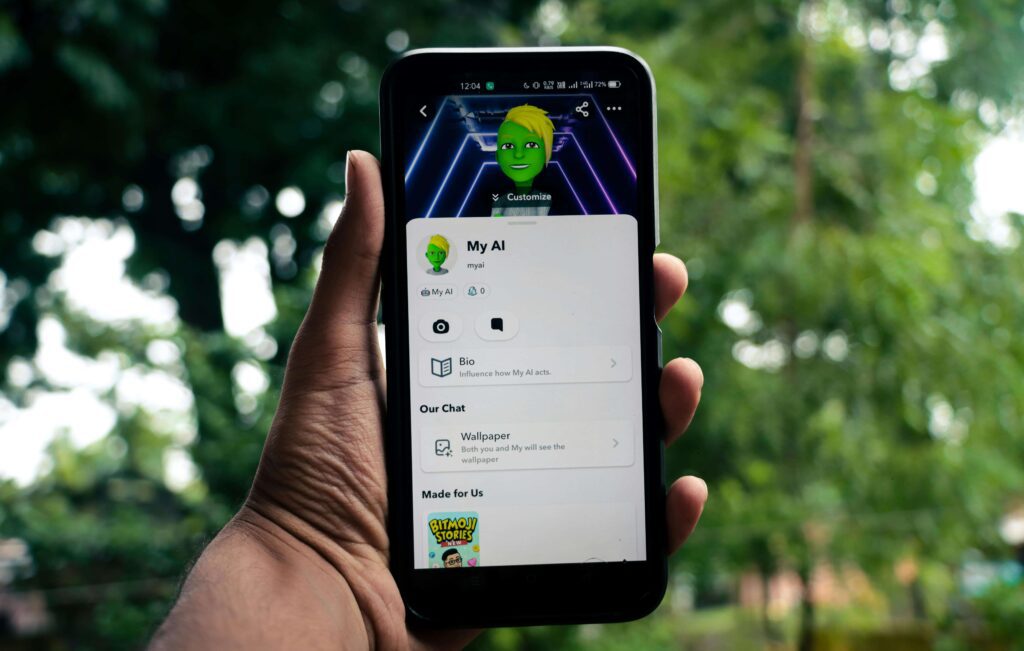
AI powers social media feeds, content recommendations, and digital advertising.
Examples:
- Video and music recommendations
- Speech-to-text tools
- Content moderation systems
✅ Advantages of Artificial Intelligence
AI offers many benefits that make life easier and more efficient.
✔ Increased Efficiency
AI systems can work faster and longer than humans without getting tired, which boosts productivity.
✔ Accuracy and Reduced Errors
AI reduces human errors in tasks like calculations, medical diagnosis, and data analysis.
✔ Automation of Repetitive Tasks
AI handles repetitive and tedious tasks, allowing humans to focus on creative and strategic work.
✔ Improved Decision-Making
AI analyzes large amounts of data quickly, helping organizations make better decisions.
✔ Availability
AI-powered systems can provide services 24/7, such as customer support chatbots.
⚠️ Disadvantages and Challenges of Artificial Intelligence
Despite its benefits, AI also brings challenges and risks.
❌ Job Displacement
Automation may reduce the need for certain jobs, leading to unemployment in some sectors.
❌ High Cost
Developing and maintaining AI systems requires a significant investment in technology and expertise.
❌ Lack of Human Judgment
AI lacks emotions, creativity, and moral understanding, which are important in decision-making.
❌ Data Privacy Concerns
AI systems depend on large amounts of data, raising concerns about data security and privacy.
❌ Dependence on Technology
Over-reliance on AI can weaken human skills and critical thinking.
⚖️ Ethical Issues in Artificial Intelligence
As AI becomes more powerful, ethical concerns are growing.
Key issues include:
- Bias in AI systems
- Misuse of AI technology
- Transparency and accountability
- Responsible decision-making
Governments, organizations, and researchers are working to develop ethical AI guidelines to ensure AI benefits society as a whole.
🌟 How AI Is Changing the World
AI is changing the world by:
- Improving healthcare outcomes
- Enhancing learning experiences
- Making businesses more efficient
- Transforming communication
- Driving innovation across industries
AI is not replacing humans entirely; instead, it works alongside them. When used responsibly, AI can support human intelligence and creativity.
🔮 The Future of Artificial Intelligence
The future of AI is full of possibilities. AI is expected to:
- Become more intelligent and adaptable
- Integrate deeper into daily life
- Support scientific discoveries
- Help solve global challenges
However, the future of AI hinges on how humans design, control, and regulate it. Responsible use and ethical development are essential.
📝 Conclusion
Artificial Intelligence is no longer a general idea; it is a reality that is shaping the world today. From healthcare and education to business and communication, AI is changing how society operates.
While it offers many advantages, it also presents challenges that must be carefully managed. Understanding Artificial Intelligence helps individuals, students, and organizations prepare for a future where humans and smart machines work together.
With thoughtful use, AI has the potential to create a smarter, more efficient, and more connected world.